Table Of Content
Compatible with SketchUp®, Revit®, and Rhinoceros® Arko.ai is a promising addition to an architect’s toolbox, offering realistic visualizations of designs and saving time. Moreover, Arko.ai is a time-saver, taking over the labor-intensive task of rendering and freeing architects to focus on the creative aspects of their designs. Sloyd.AI doesn’t merely mimic the architect’s concept but extends its precision to breathe life into designs with a high degree of realism. It liberates architects from time-consuming physical model creation, opening up a playground of virtual exploration and design refinement. ARK is the answer to schematic design packs, a boon for architects and developers alike.
Will I own the AI images make?
Similar to Obayashi, Maket excels at assisting architects with early-stage schematic design—generating floor plans by plugging in room dimensions, types, and adjacency constraints—and is integrating this feature with a natural language text interface. But Maket also offers a regulatory assistant that can read uploaded zoning regulation documents and answer detailed questions about them. Designers can also upload architectural photographs and use basic text prompts to apply different aesthetic treatments, adding interior and furniture elements to the photo.
Realtime Canvas
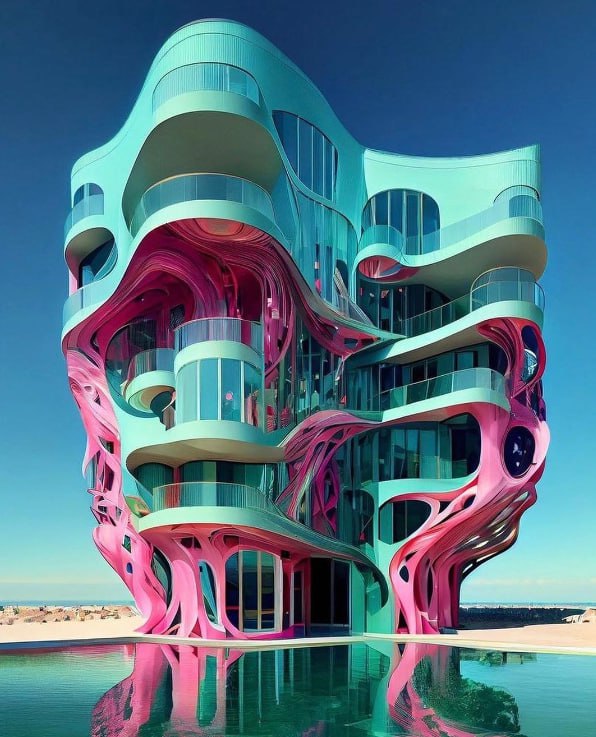
Reimagine any room or interior space with more that 20+ interior design styles to create stunning interiors in seconds. These costs are influenced by the vendors and subcontractors selected for the project and vary depending on the project’s location. AI in architecture is gaining traction with tools to automate aspects of image generation, schematic design, urban planning, interior layout, and more. Illustrating the diverse approaches to the subject, emerging new tools could better exemplify the capabilities of AI visualization and design. In the future, the impact of AI tools in architecture may streamline workflows, predict design decisions, foster creativity, and provide fresh perspectives within the expansive realm of architecture.
AI Architecture Generator Related Features
Architects vs. AI: Who Will Design the Future? - ArchDaily
Architects vs. AI: Who Will Design the Future?.
Posted: Thu, 21 Sep 2023 07:00:00 GMT [source]
A new platform uses technology to improve traffic flow and reduce the risk of collisions with streetcars. As the Pasadena Showcase House of Design enters its 59th year, it’s returning to a familiar setting. The Potter Daniels Manor, the English Tudor Revival–style residence that hosted the 1975 and 1996 showcase houses, has been reimagined with 30 new interior and exterior spaces for the 2024 edition, which is now open until May 19. Design the future of the built environment with the largest, most comprehensive collection of architecture and design resources. Learn more about firm management, best practices, climate action, equity, and more for every stage of your professional journey.
Beyond architectural design, architects are currently and will continue to be involved in other design processes, such as creating furniture that complements the interiors of the environments they design. For instance, Philippe Starck led the design of a production chair enabled by AI in collaboration with humans. In partnership with Autodesk Research and the contemporary furniture maker Kartell, Starck leveraged generative design in Autodesk Fusion to create the chair, aptly named “A.I.”. To bring the chair to life, Starck contributed to the overall vision, and Fusion's advanced Generative Design algorithms suggested various design options that met the manufacturing requirements. Often characterized as the most demanding stage of architectural design, construction drawings and specifications are crucial for the successful materialization of a project. The challenge lies in the effective collaboration between the different disciplines involved in the construction sector.
Kudless agreed, arguing that further advancements in text-to-image technology may have more and more noticeable impacts on designers – though he believes that AI software programs are more likely to prioritise art, animation and cinema. When working with the tools, designers often create hundreds or thousands of images that they then need to sort through and edit manually. Prior to designing, architects usually spent a significant amount of time analyzing their project site. Form historic data to environmental conditions and even public transport maps, Aino transforms site analysis data into actionable and insightful maps. Architects can use the software to ask questions about their site by simply typing a few words into a search bar.

Ultra-Realistic Interior
It allows architects to present dynamic 3D models to clients, creating an immersive experience that static images simply cannot match. For construction planning and documentation, Sloyd.AI’s exactness ensures each specification is captured in the 3D models it generates. In the fast-paced world of architectural design, Sloyd.AI is the companion architects need to maintain their creative edge. These advancements will shape the future of architectural design, empowering professionals to deliver exceptional projects while pushing the boundaries of creativity and efficiency and, with hope, saving our planet at the same time. Imagine being able to generate architectural images by AI instantly with just a few clicks.
Artificial Intelligence: how are architects using AI right now and what are they using it for?
Laiout also offers a Freeze/Regenerate tool, in which certain areas can remain intact while others are modified, eventually producing a more intentional and controlled result. Finally, the software has the option of turning the zoning diagrams into furnished plans. Moving beyond the conceptual phase, architects are required to make several design decisions that are based on site conditions, building codes, sustainability requirements and program specifications.
With urban inefficiencies on an upward trajectory, this revolutionary AI maverick aims to change the landscape of urban planning. ARCHITEChTURES is already the trusted ally of many architects, empowering them to surpass limitations and unlock unparalleled efficiency. With an extensive palette of design parameters to work with, it is possible to set boundaries and set the program to work on all the available options. ArchiVinci is versatile and can handle a variety of 3D models, including those from SketchUp, 3D Max, Revit, and more.
1-click AI render using 6+ styles to create night shots, realistic, cgi, ink sketches, and more. Each section of the Design parameters and Costs can be stored for later use in a set of Presets. Different configurations can be loaded to streamline the Design process and Cost estimate. You can choose to share the copy of your work in View mode so they can only see and navigate through the design (plans, 3D, and budget) or in Edit mode, so they can duplicate it and keep editing on their own. The system allows the introduction of design criteria such as minimum and maximum net areas for each room and typology, minimum dimensions of the rooms, heights and vertical communications specifications to ensure the project compliance.
The firm's research division, XL Lab, revisits the findings of William H. Whyte's in his 1980 study The Social Life of Small Urban Spaces, aiming to understand what changed in the way people use the public realm today. The team employed a machine learning algorithm on video footage to develop heat maps describing dwell time, frequent and infrequent usage, and pedestrian counts. The Plaza Life Revisited research provides robust metrics to back up assumptions of how individuals occupy public space. As we move forward, it's crucial for architects to stay at the forefront of AI advancements, exploring how this transformative technology can bring their architectural visions to life in ways that were previously unimaginable.


No comments:
Post a Comment